Top Wedding Flower Mistakes Couples Make (and How to Fix Them)
Avoid common wedding flower mistakes with expert tips to get it right the first time. Learn how to plan your floral budget, choose seasonal blooms, and create stunning arrangements without last-minute stress.
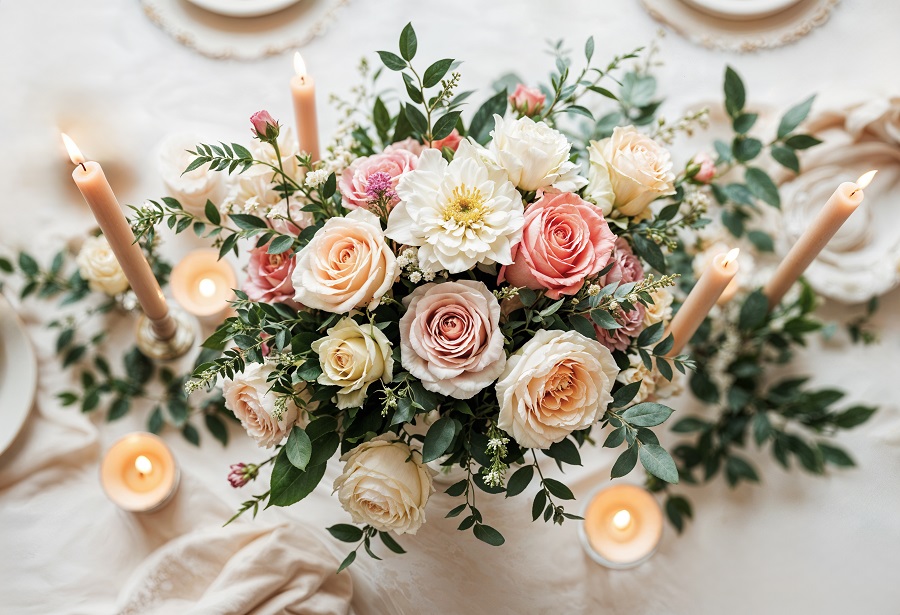
Wedding flowers seem simple at first. Pick colors. Pick blooms. Call it done. But once planning begins, small choices start stacking up. That’s where most wedding flower mistakes quietly slip in.
Below are the most common problems couples run into—and more importantly, how to fix them before they affect the look, budget, or mood of the day.
Not Setting a Clear Floral Direction Early
One of the biggest issues starts before flowers are even discussed. There’s excitement, mood boards, saved reels—and no clear plan.
Without direction, decisions keep changing. Colors shift. Styles mix. Costs creep.
This is where wedding floral planning matters more than people expect.
How to fix it
Start with three anchors:
- Venue style
- Color palette
- Overall mood (soft, wild, structured, minimal)
Once these are locked, every floral choice becomes easier. You stop second-guessing. Your florist stops guessing too.
Choosing Flowers Without Considering Season
Pinterest has convinced many couples that every flower blooms year-round. That’s rarely true.
Forcing off-season flowers increases cost, limits freshness, and adds stress during sourcing. This is one of the most expensive mistakes couples make with wedding flowers, and it often shows.
How to fix it
Build designs around seasonal wedding flowers first. These blooms:
- Look fuller
- Last longer
- Cost less
Accent blooms can still reflect your vision, but the backbone should match the calendar. Good florists guide this conversation early for a reason.
Ignoring the Venue’s Natural Features
A venue already brings character. High ceilings, wooden beams, stone walls, open fields. Yet many couples design florals as if the space is blank.
That leads to overspending in some areas and under-designing others.
How to fix it
Let the venue do part of the work.
- Outdoor garden venues need less floral volume
- Statement interiors need fewer centerpieces
- Ceremony backdrops matter more than table details
Flowers should support the space, not compete with it.
Underestimating the Budget Impact of “Small Add-Ons”
Loose stems. Extra aisle markers. Sweetheart table flowers. Cake accents.
Individually, they seem minor. Together, they cause major wedding flower budget mistakes.
How to fix it
Ask for a priority list early.
- Must-haves
- Nice-to-haves
- Optional extras
Allocate budget to what guests actually see and remember. Centerpieces, ceremony florals, and personal flowers usually matter more than scattered extras.
Treating Flowers as Décor, Not Experience
Flowers aren’t just visual. They affect flow, photos, and atmosphere. When this gets overlooked, designs feel disconnected.
This often happens when couples rush through how to choose wedding flowers without considering guest movement.
How to fix it
Think through moments:
- Walking down the aisle
- Standing at the altar
- Entering the reception
Florals should guide the eye and anchor those moments. This is where a florist in North Bellmore, NY’s experience changes everything.
Waiting Too Long to Book a Florist
Florists book up early, especially during peak seasons. Waiting limits options and flexibility.
Couples searching late often scramble between availability and compromise.
Local expertise matters here. A seasoned florist in Wantagh, NY, understands seasonal supply, venue logistics, and the area's timing pressures.
How to fix it
Secure a florist once the date and venue are confirmed. Early booking allows:
- Better flower selection
- Smoother revisions
- More creative freedom
Expecting Final Decisions Too Early—or Too Late
Some couples lock everything too early and feel stuck. Others wait until the last minute and rush choices.
Both cause stress.
How to fix it
Set soft checkpoints:
- Overall plan early
- Adjustments closer to the date
- Final counts once RSVPs settle
This balance keeps planning flexible but grounded.
Not Trusting Professional Guidance
There’s a reason florist in Plainview ask questions that feel unrelated. Guest count. Room size. Setup time. Weather backup. Ignoring advice often leads to mismatched scale or rushed setups.
How to fix it
Lean into professional insight. A florist isn’t just selling flowers—they’re managing logistics, timing, and visual balance behind the scenes.
Final Thoughts: Planning Flowers Without the Panic
Most floral stress comes from small oversights, not bad taste. With clear direction, seasonal awareness, and honest budgeting, flowers become one of the most enjoyable parts of planning.
And when guidance matters most, working with a florist who understands your area makes all the difference. For couples ready to plan with clarity and ease, floral support is available through Bethpage Florist.